
Words: Will Shiers
Pics: Will Shiers
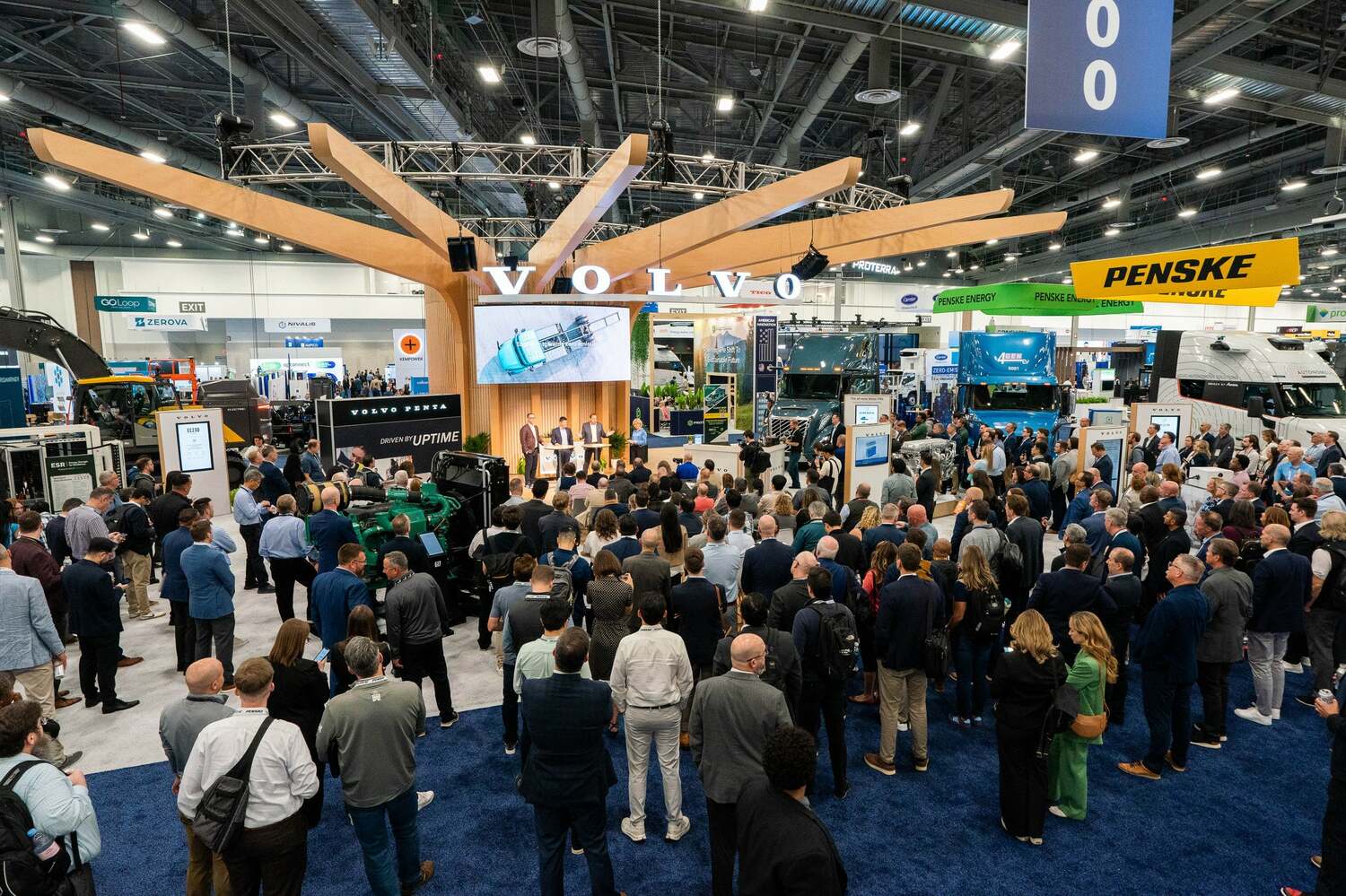
Electric truck demand in the US is becoming more selective as fleets reassess costs, infrastructure and policy support, according to new analysis unveiled at ACT Expo 2026 in Las Vegas.
The latest State of Sustainable Fleets report suggests that while battery-electric vehicles are gaining traction in certain applications, particularly medium-duty and depot-based operations, broader uptake in heavy-duty trucking is being tempered by the removal of federal incentives, high vehicle costs and ongoing infrastructure challenges.
Instead of backing a single technology, fleets are increasingly spreading investment across a mix of diesel, renewable fuels, gas and electric vehicles in a bid to manage risk and maintain operational flexibility.
The shift comes as the industry navigates a third consecutive year of weak freight demand, alongside tariff-driven price increases of up to $35,000 per new truck and significant changes to the US policy landscape.
Despite those pressures, the report points to continued progress in key areas. More than $5bn in state, local and utility funding remains available annually through to 2028, while technologies such as artificial intelligence and autonomous trucking are beginning to move from pilot projects into commercial use.
For many operators, the focus has turned firmly to total cost of ownership and proven performance, rather than long-term promises.
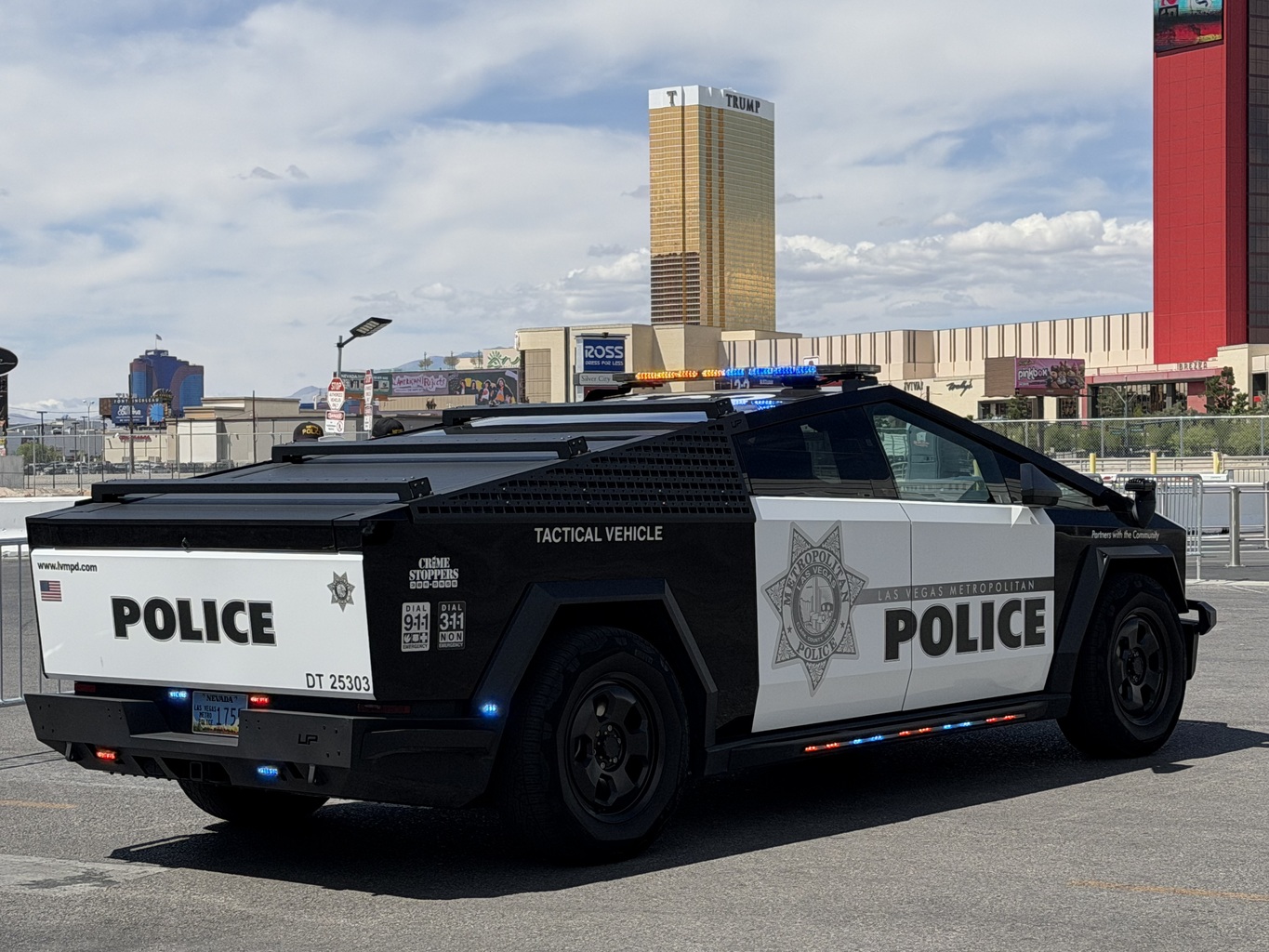
TESLA
ATesla Cybertruckin Las Vegas police livery patrolled the ACT Expo site, part of a fleet of 10 operated by the Las Vegas Metropolitan Police Department. Donated rather than bought, the trucks form the largest police Cybertruck fleet in the US and are equipped with lights, sirens and tactical gear. Their presence on duty, rather than on display, underlined how quickly the controversial electric pickup has moved into frontline use.
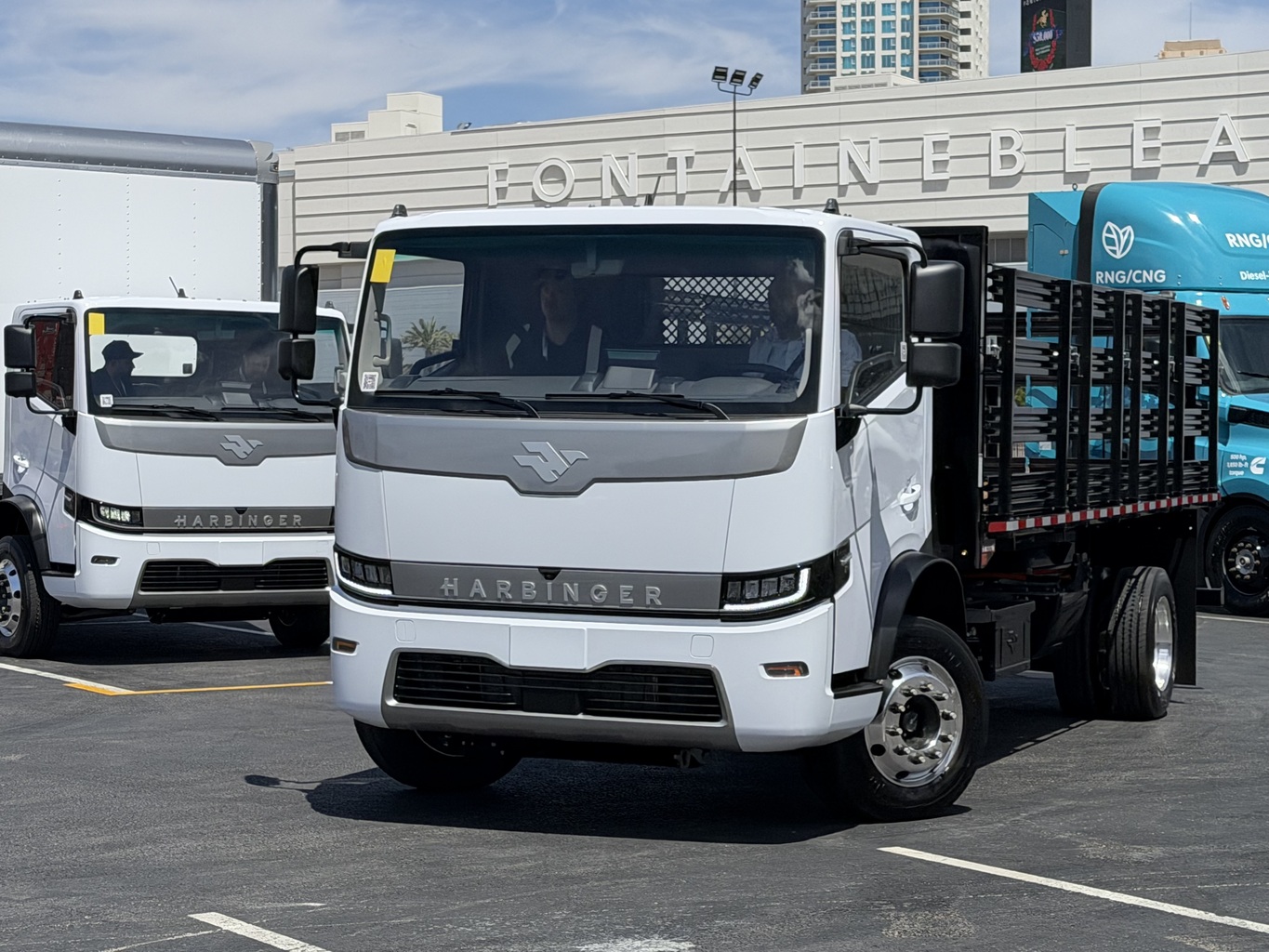
HARBINGER
Harbinger Motorsused ACT Expo to give operators their first proper drive of its HC Series cab, launched earlier this year.
The low cab-forward medium-duty truck is offered as both a full battery-electric and range-extended hybrid. The EV version delivers between 140 and 210 miles depending on battery configuration, while the hybrid can stretch to around 500 miles using an onboard range extender.
Built on a modular 800V platform with scalable battery packs, the HC Series is aimed squarely at urban and regional fleet work, with a focus on manoeuvrability, payload and ease of upfitting.
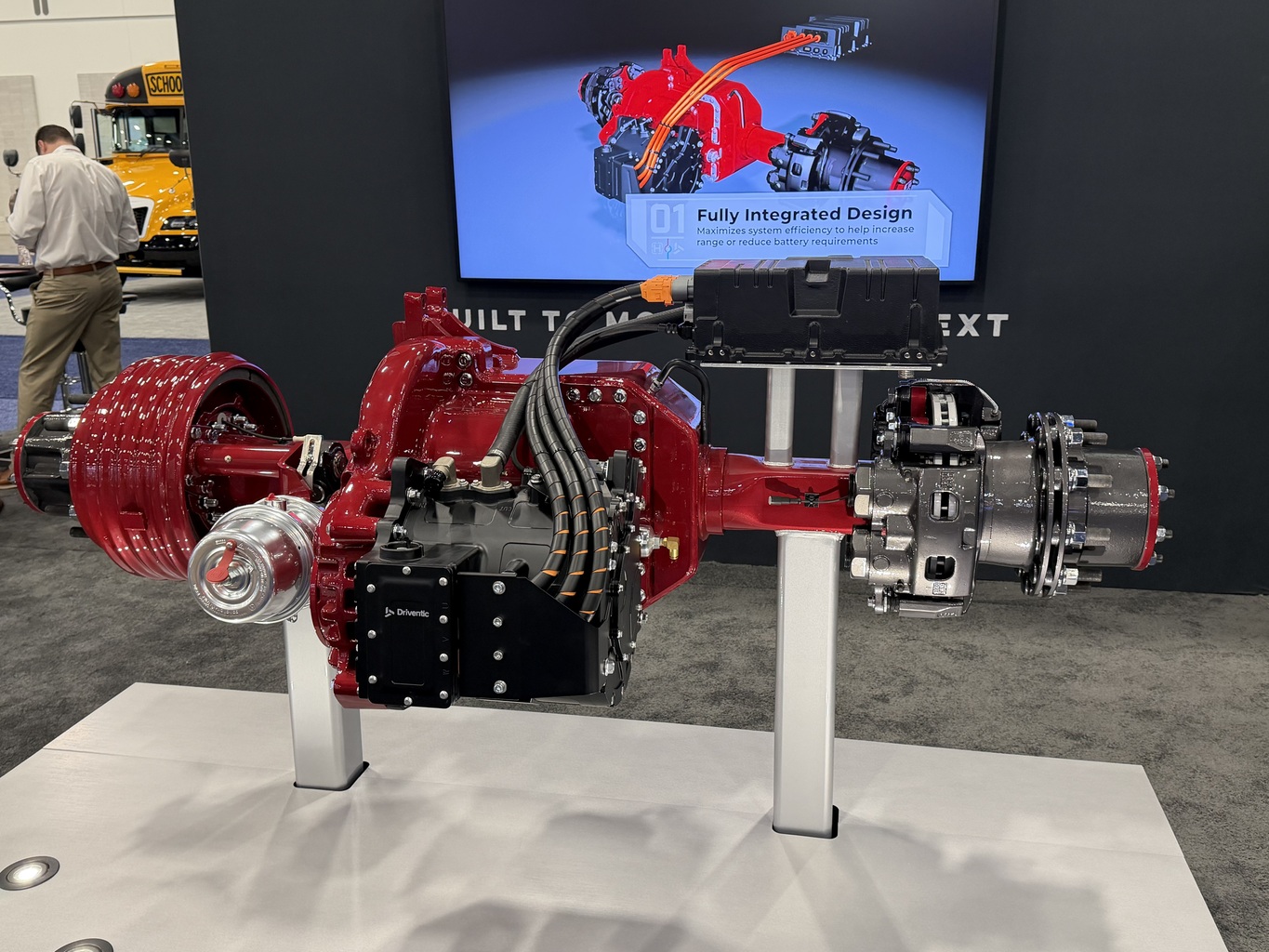
HENDRICKSON
Hendricksonhas unveiled its new ELECTRAAX electric drive axle for medium-duty trucks, marking its first move into powered axle systems.
Developed withDriventic, the integrated unit combines motor, inverter, gearbox and axle into a single package, delivering claimed efficiency of up to 94%. The lightweight, modular design is aimed at trucks in the 12–26-tonne GVW bracket, helping reduce weight, improve range and lower energy consumption.
Hendrickson says the system can be tailored to different chassis and duty cycles, with regenerative braking and a single-speed gearbox supporting efficiency and long-term reliability, while also helping OEMs meet tightening emissions and weight targets.
TESLA
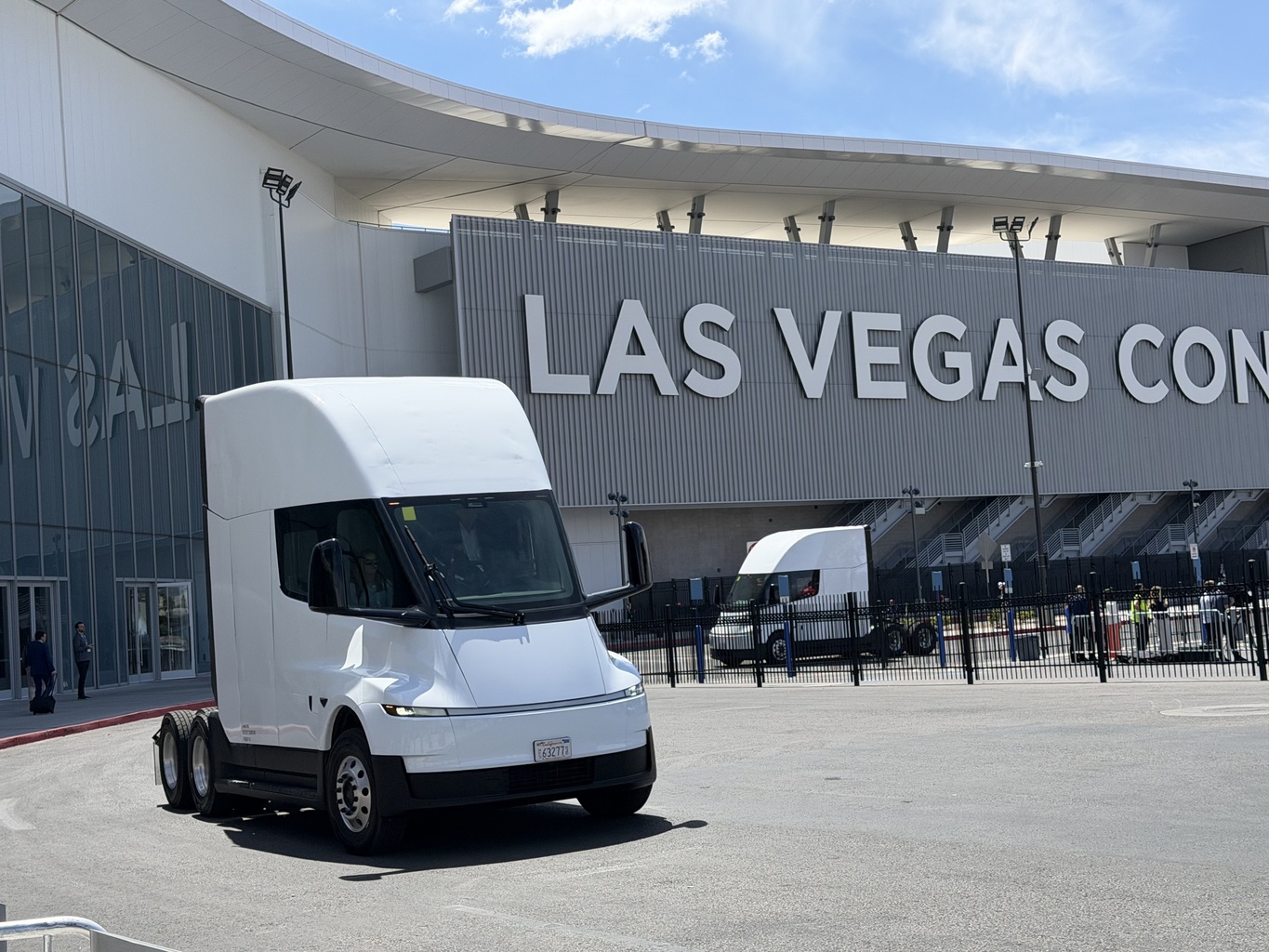
Teslahad two Semis in the ACT Expo ride and drive, although, as atIAA Transportation 2024, they were limited to passenger rides only. Now in full production at its Nevada Gigafactory, the long-delayed Class 8 electric tractor is finally moving beyond prototype status, almost nine years after its 2017 debut. With up to 500 miles of range and a tri-motor drivetrain producing more than 1,000hp, the Semi is edging closer to large-scale deployment.
VOLVO GROUP
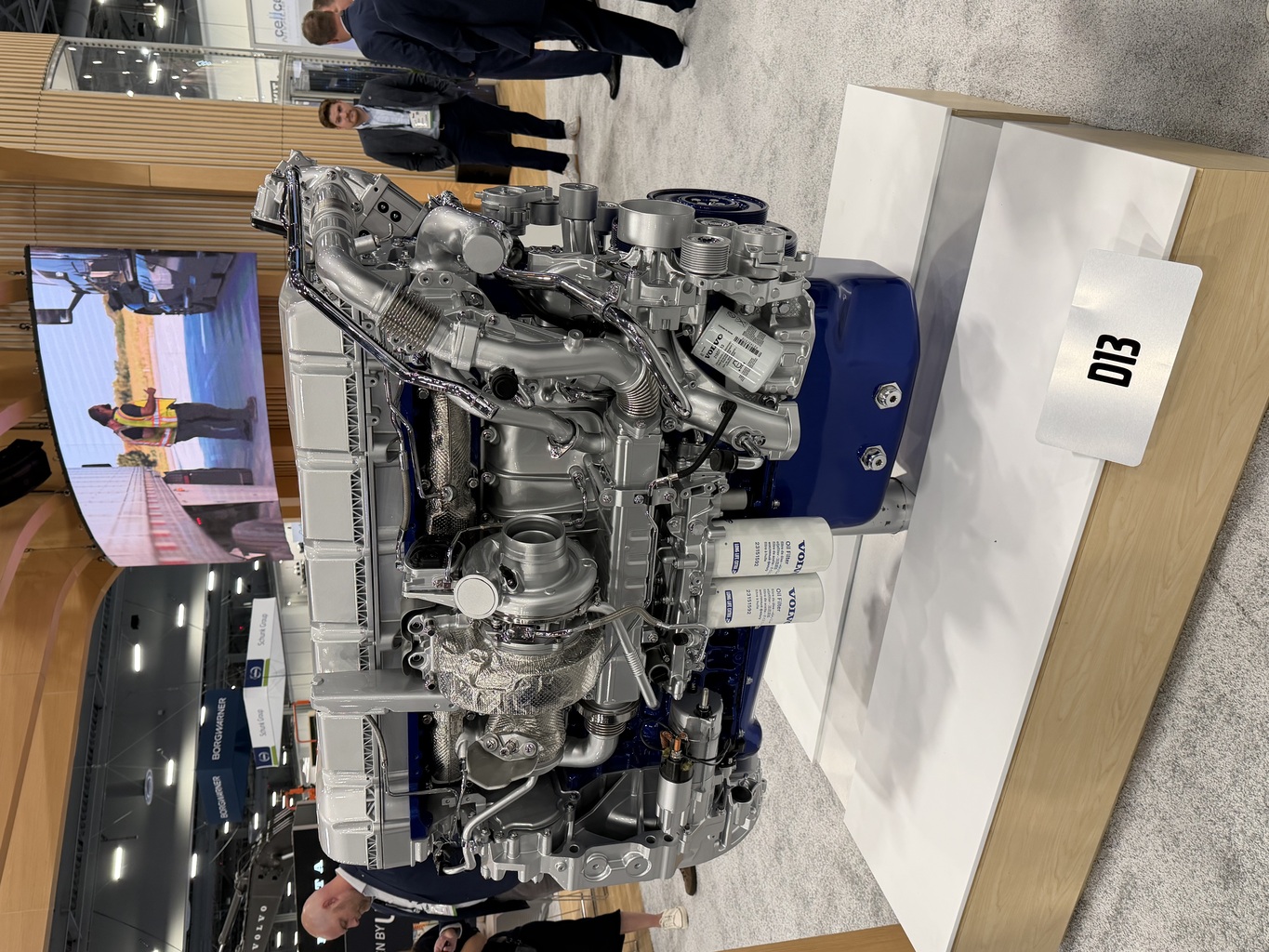
Volvo Group used ACT Expo in Las Vegas to unveil a new generation of EPA 2027-compliant diesel engines for both its Volvo Trucks North America and Mack brands.
Although marketed separately as the Volvo D13 and Mack MP13, the engines share the same underlying Volvo Group architecture and deliver identical peak outputs of up to 540hp and 2,650Nm (1,950lb ft) of torque.
Both have been engineered to meet the EPA’s stringent new 35mg NOx limit while also improving fuel efficiency and performance. Volvo said the new D13 cuts nitrogen oxide emissions by more than 80% compared with current limits, while Mack claims fuel economy gains of up to 3% over the previous MP13.
Engine braking has also been improved significantly, with both units delivering up to 630hp of braking performance.
The updated engines feature revised combustion systems, more efficient turbochargers and predictive software designed to improve drivability and reduce fuel consumption. Mack said peak torque is now available from as low as 900rpm to support downspeeding and lower operating costs.
Both engines are also compatible with renewable diesel, while the Mack unit can additionally run on biodiesel blends up to B20.
The launch is notable because it demonstrates the extent to which truck manufacturers continue to invest in diesel technology, even as the industry accelerates towards battery-electric and hydrogen-powered vehicles.
“This engine is our most fuel-efficient and reliable engine ever,” said Peter Voorhoeve, president of Volvo Trucks North America.
Jonathan Randall, president of Mack Trucks North America, said the new MP13 had been designed to meet the toughest emissions standards “without asking customers to compromise on power or efficiency”.
HORIZON
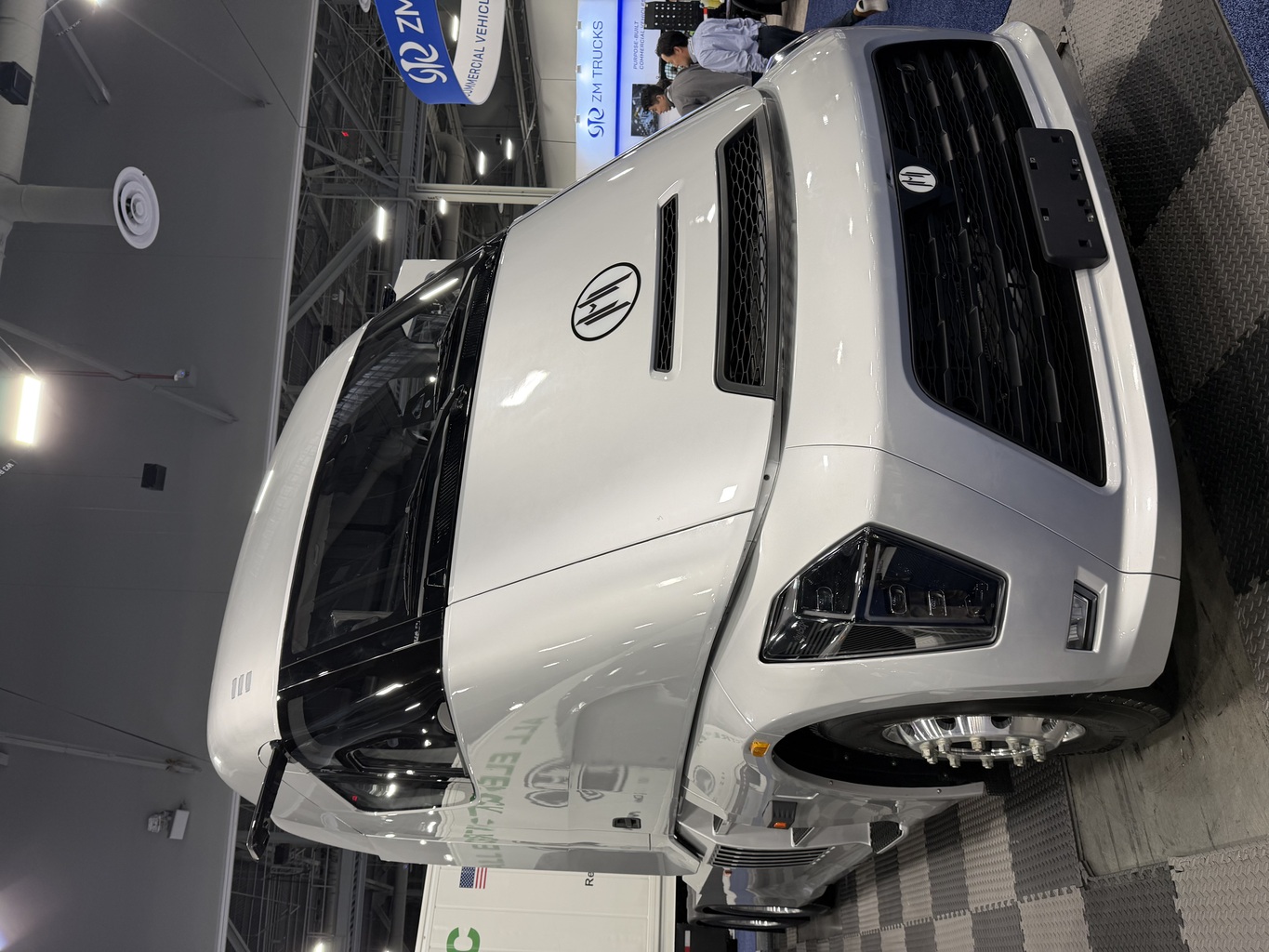
Horizon Motorused ACT Expo to showcase its HM8 BEVSM, a heavy-duty 6x4 battery-electric tractor unit aimed at higher-weight regional haul work. Not dissimilar in appearance to theTesla SemiandWindrose offerings, it adopts a modern aero-led cab but retains a conventional driving position rather than a central seat layout. The truck is assembled in Athens, Ohio.
TOYOTA
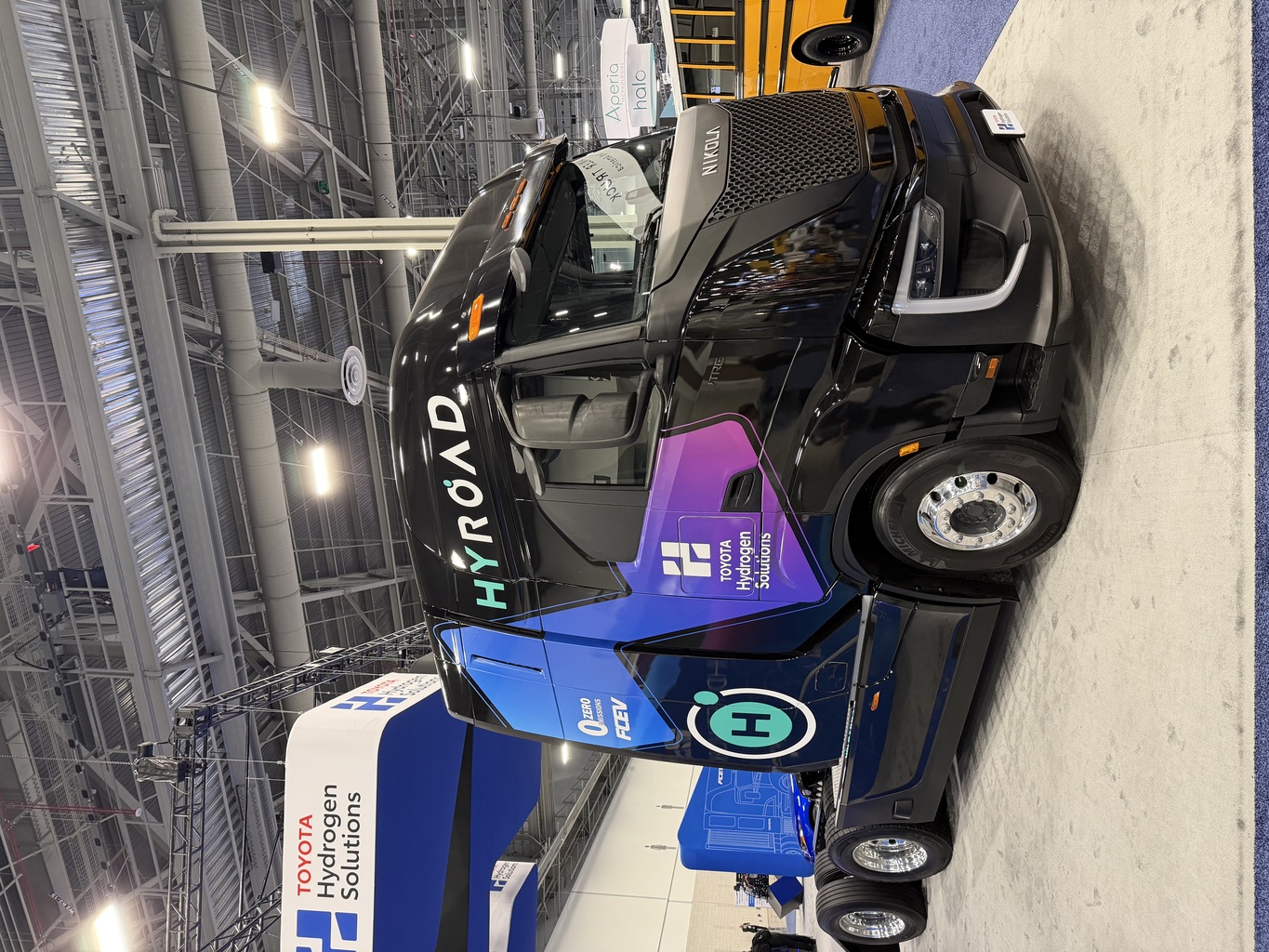
Toyota Motor North Americahas agreed a deal withHyroad Energyto deploy 40 hydrogen fuel cell Class 8 trucks in Southern California, as efforts to build a viable hydrogen trucking ecosystem gather pace.
Under the agreement, Hyroad will supply trucks, maintenance, software and operational support, while Toyota will provide hydrogen via refuelling infrastructure currently under development in Ontario, California. The aim is to bring vehicles, fuel and services together under a single commercial model that fleets can actually use.
The move follows Hyroad’s acquisition of assets from the bankruptNikola Corporation, including more than 100 fuel cell trucks, parts and software, giving it a platform to scale operations quickly.
Fuel cell trucks offer refuelling times comparable to diesel and ranges of up to 500 miles, but high costs and limited infrastructure have held the sector back.
By combining supply, vehicles and support in one package, Toyota and Hyroad are attempting to remove those barriers and prove hydrogen can work at scale in real-world logistics.
HINO TRUCKS
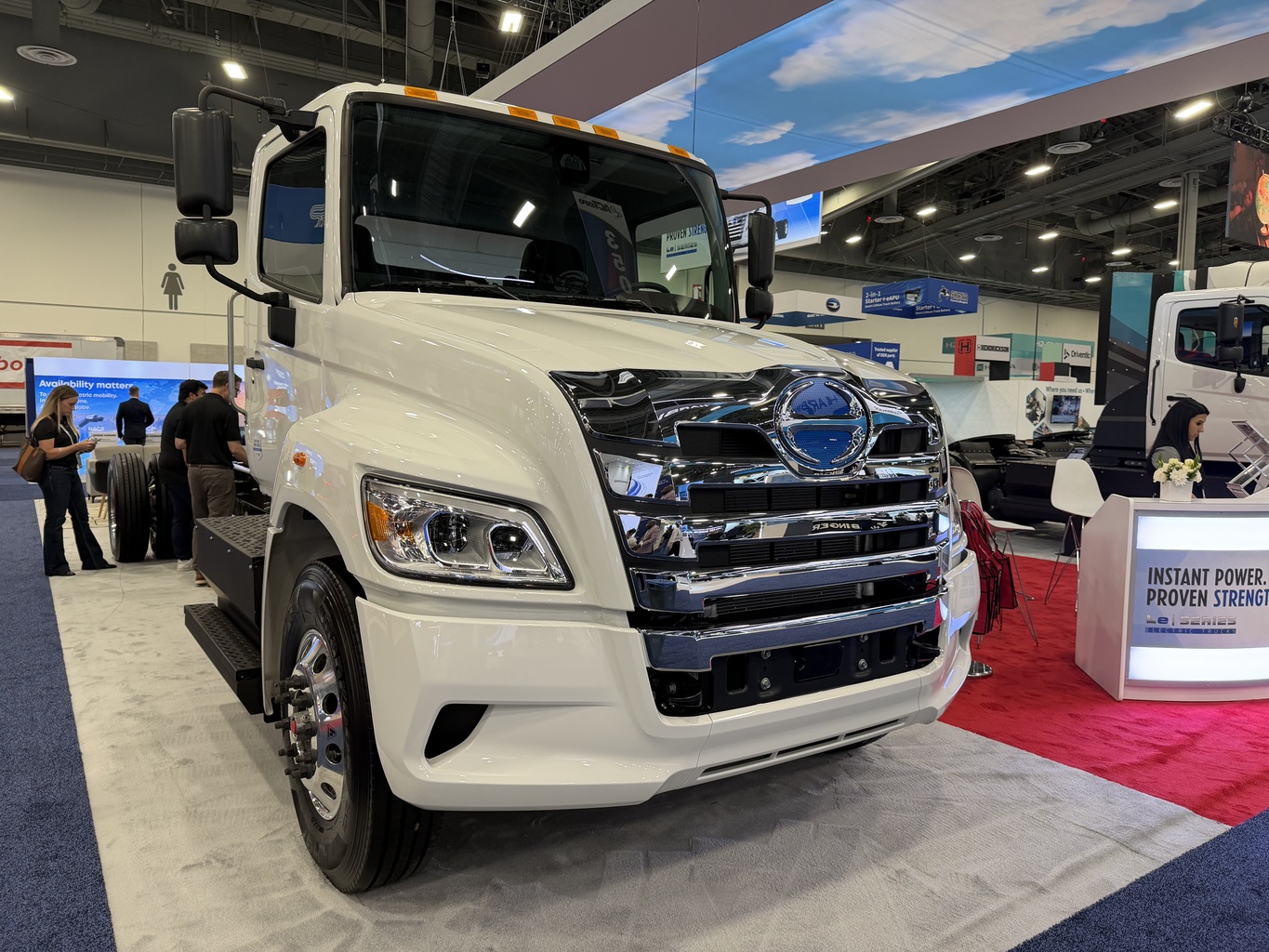
Hino Truckshas unveiled its new Le Series battery-electric medium-duty truck at ACT Expo 2026, marking a further step in the brand’s zero-tailpipe-emission strategy.
The Le Series will be offered in two variants, the L6e at 11.8 tonnes GVW and the L7e at 15 tonnes, targeting urban and regional applications where electrification is most viable.
Powered by a 269kWh battery supplied by Hexagon Purus using Panasonic cells, the truck supports DC fast charging at up to 120kW, enabling a 0–80% charge in just under two hours. An integrated e-axle delivers peak output of 348hp, with a 2-speed transmission designed to balance performance and efficiency.
Production is scheduled to begin in Q3 2026.
FLOWBELOW
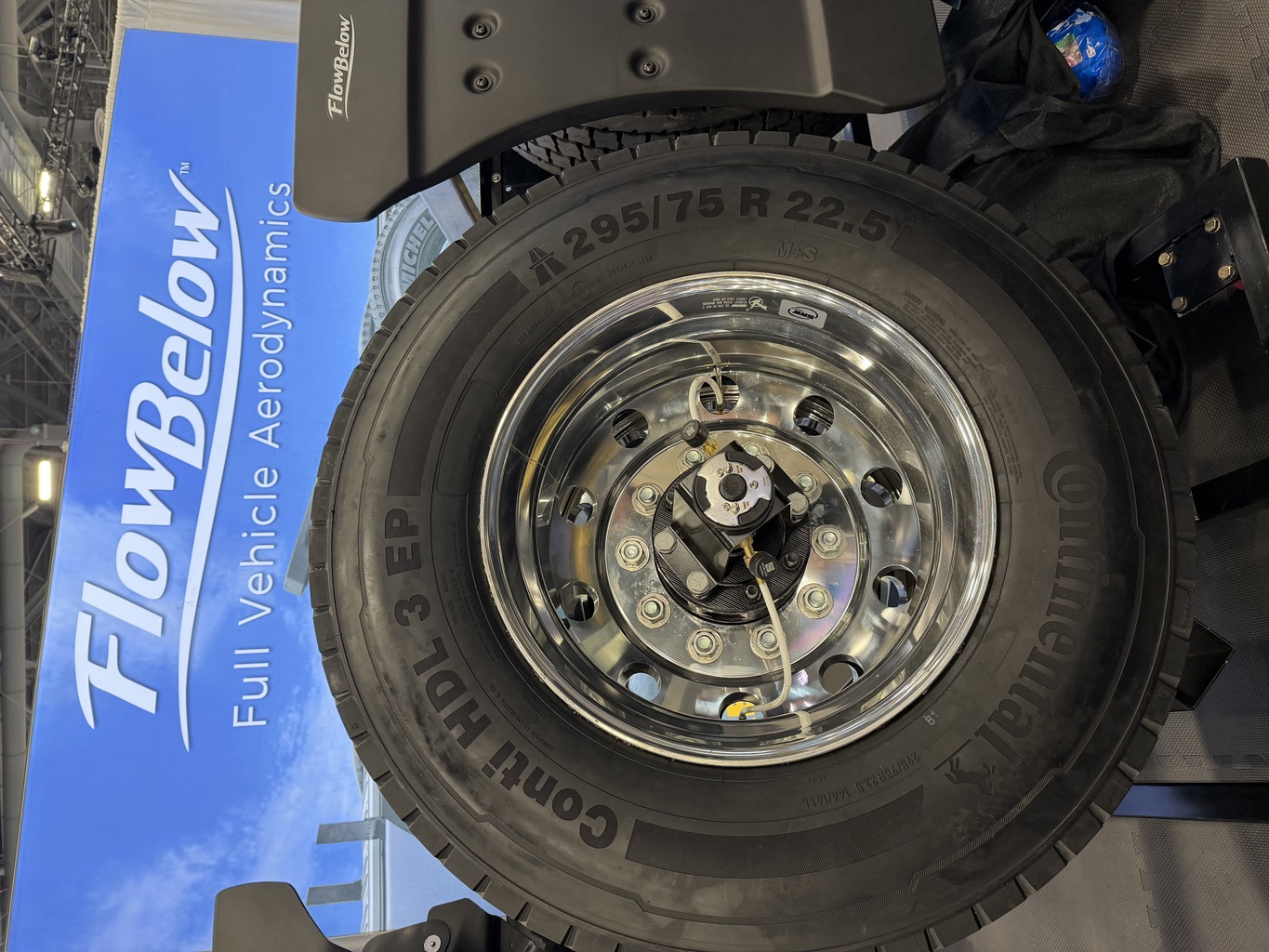
FlowBelow Aerohas launched a new version of its fuel-saving wheel covers featuring “Easy Air Access”, designed to simplify tyre pressure checks for commercial fleets.